
From Canvas to Code: How Diablo 2 Resurrected Items Preserve Fantasy Art Culture
Fantasy art has shaped popular culture for more than a century, appearing first in book illustrations, gallery paintings, and tabletop games long before pixels existed. Dark castles, rune-covered weapons, and grim mythic creatures were once painted by hand, meant to be studied on paper or canvas. Today, those same visual ideas live on inside video games, where art is no longer static but interactive.
Few modern games show this transition as clearly as Diablo II: Resurrected. The item designs in the game draw directly from classic fantasy illustration, using shape, texture, and symbolism to tell stories without words. Many players now seek Diablo 2 resurrected items not just for power, but for their artistic identity. Platforms like YesGamers make these designs more accessible, turning once-rare visual artifacts into part of a shared digital culture.
Roots in Classic Fantasy Illustration
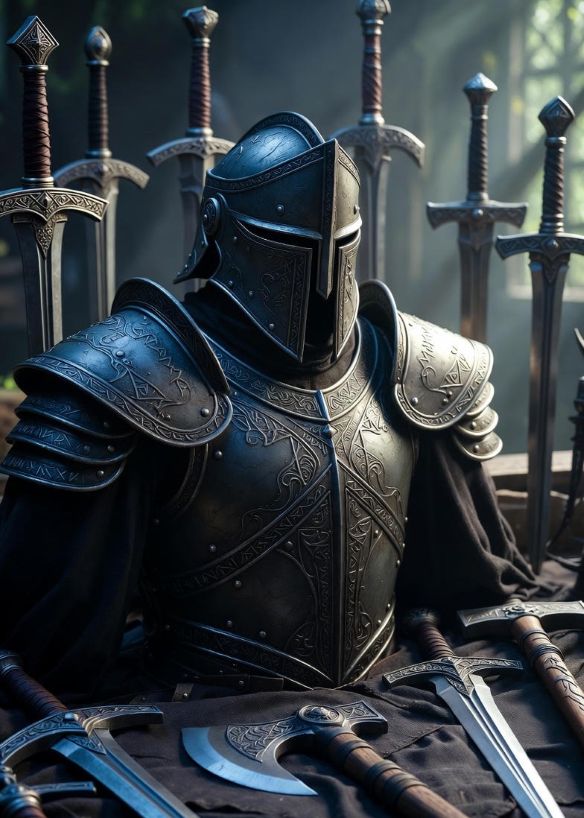
Item icons in Diablo II were never flashy like this rune-engraved armor and weapons from a dark fantasy game, realistic textures, moody atmosphere.
Long before gaming, artists such as Frank Frazetta, Boris Vallejo, and H.R. Giger defined what dark fantasy could look like. Their work blended beauty with menace, using heavy shadows, muscular forms, and dramatic lighting. Diablo’s visual language echoes these traditions. Armor looks worn and scarred, weapons feel ancient, and magical objects often appear dangerous rather than decorative.
Item icons in Diablo II were never flashy. They were small, muted, and serious. This restraint mirrors traditional fantasy paintings, where mood mattered more than brightness. A sword was not just a tool, it was a symbol of fate, duty, or corruption. That philosophy survived the remaster.
Medieval Motifs and Mythic Symbols
Many Diablo II items feel like they belong in a medieval manuscript or a church mural. Runes resemble carved stone symbols rather than glowing UI icons. Shields carry crests that suggest fallen orders and forgotten wars. Helmets cover faces fully, hinting at loss of identity and endless conflict.
These choices are rooted in European folklore and myth. Demons draw from Christian imagery, while angels resemble severe, almost inhuman guardians. Even simple gear follows these rules. Leather looks cracked. Metal looks heavy. Magic feels dangerous. The visual tone supports the game’s world without explaining it directly.
Why Item Design Shapes Immersion
Good fantasy art does more than look nice. It pulls viewers into another reality. Diablo II items succeed because they match the game’s bleak atmosphere. When players equip gear, they feel the weight of the world they are fighting in.
This is why collecting gear feels meaningful. A rare item is not just stronger, it looks important. It feels earned. That emotional response comes from visual storytelling. When players search for Diablo 2 resurrected items, they are often chasing a feeling tied to memory, identity, and atmosphere, not just statistics.
Digital Marketplaces as Art Spaces
As gaming economies grow, virtual items now carry cultural value beyond gameplay. Marketplaces reflect this shift, where players trade gear for its history, rarity, and visual meaning. This mirrors wider trends in art collecting, similar to the care involved in buying video game artwork online, where understanding authenticity and artistic intent matters as much as ownership.
In this space, platforms like YesGamers act as access points, allowing players to engage with iconic designs without spending months farming, much like collectors seeking meaningful pieces rather than mass-produced decor.
From Personal Collection to Shared Culture
What once lived on canvas now lives in code, but the purpose remains the same. Fantasy art exists to spark imagination and emotion. Diablo II: Resurrected shows that digital items can carry the same artistic weight as traditional illustrations.
When players admire a weapon’s design or recognize a rune instantly, they are engaging with a living art form. Diablo 2 resurrected items have become part of a broader cultural archive, proving that fantasy art did not fade away. It adapted, found a new medium, and continues to evolve through games and the communities that value them.
Read More →
 Italy’s rich art history draws modern artists from around the world. Its ancient ruins, Renaissance masterpieces, and vibrant local scenes spark creativity. Many artists dream of relocating to immerse themselves in this inspiring setting. Italy’s allure lies in its ability to blend history with living culture, offering a unique backdrop for reimagining artistic work. Services like Why Wait Italy make this dream attainable, helping artists navigate the legal process of moving abroad.






 It’s called grid harmony when rows have similar tones or storylines. Meanwhile a visual rhythm is when pictures are a good mix of simple and bold, and changing content types (like art, tools, and behind-the-scenes).
 Webtoon is an online comic in South Korea that started at the beginning of the 2000s. It is available in black-and-white on the country’s website. However, as technology developed, the webtoon form changed, too. Now, webtoons are defined by their vertical scrolling style, full-color graphics, and often-included sound effects and animation. This development has let webtoons explore fresh artistic possibilities and escape the restrictions of conventional print comics.

 To make our point more vivid, let’s take a closer look at the different aspects that make San Jose tow trucks quite reliable.

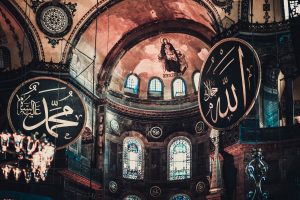 The use of art in Christian worship and practice may be attributed to the Bible’s instructions to “make beautiful” (Exodus 25:31). The Bible also provides examples of artwork in Christian history. These include the mosaic pavement from the first century and the marble statues from the fourth century. Christians have always used art due to biblical instructions, for example, Exodus 25:31, as well as historical examples of artwork such as mosaic pavements from the first century and marble statues from the fourth century. Same goes with churches and Christianity in France. Read Les Trois Deniers de Gaspard’s book about church in France.
 Fashion can express our personalities. Style clothing is not just about looking good, it’s also about feeling confident and comfortable. You should always look at yourself in the mirror and make sure you wear clothes like lacrosse clothing that enhance your body type, personal style, and personality. Let’s find the


 These are mostly recommendations about clothing ensembles, coordinates or accessories to use in promoting a new clothing line or in dressing up a celebrity or important personality.
 Still, effectively combining one’s background in education and experience, with one’s natural talent will go a long way in building a reputation as a fashion stylist in the world of fashion and glamour.
 Your letter of application must be accompanied by a curriculum vitae that contains important personal details such as your name, residential address, email address, contact number, educational attainment, professional references, awards and link to your online creative portfolio.